Home/Commercial & Industrial/Convenience Stores

Convenience Stores

Independent c-stores across the Fraser Valley — tobacco, lottery, and lease-based businesses with their own due diligence considerations.

Mostly Leasehold Businesses, With Their Own Financial Rhythm

Most convenience stores in the Fraser Valley are leasehold businesses rather than real estate sales, which makes lease terms often the single most important piece of due diligence in a transaction.

Tobacco and lottery revenue carry structurally different, more predictable margins than general merchandise — understanding the mix is key to accurately valuing the business.
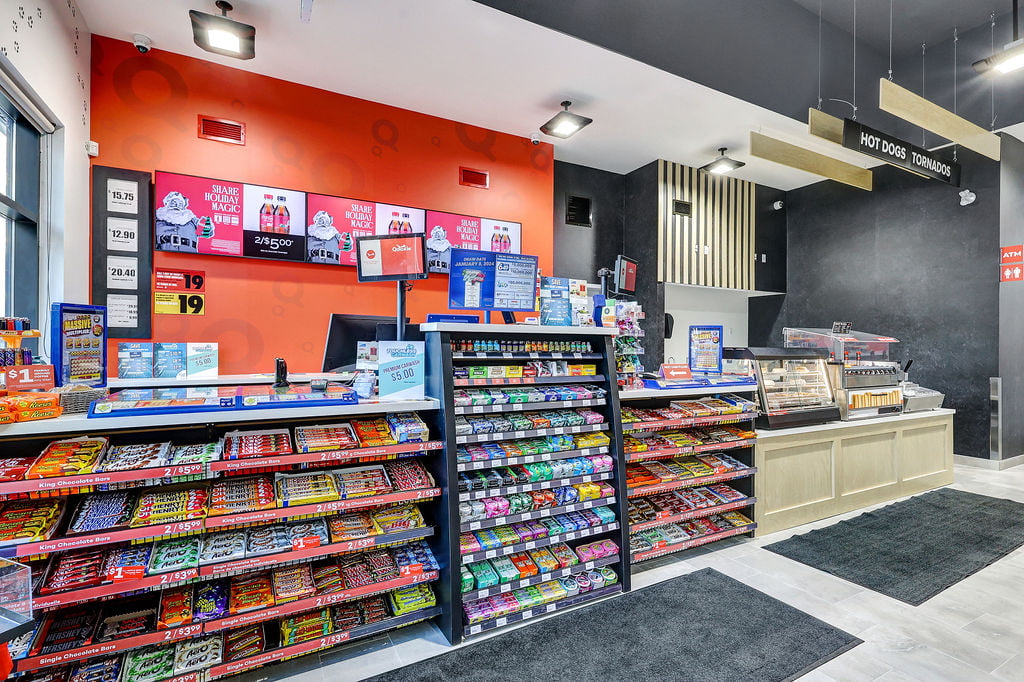
Convenience Stores (sample photo)

How Convenience Stores Are Valued

Key drivers of value in this category

Convenience Stores Due Diligence

What to verify before you commit

Licensing ReviewTobacco retail licence, lottery terminal agreement, and any liquor licensing tied to the business.
Lease AnalysisTerm, renewal options, and rent escalation — the top due diligence priority for a leasehold business.
Sales Cross-VerificationComparing reported sales against supplier invoices and BCLC lottery commission statements.
Inventory & FixturesAssessing current inventory value and condition of coolers, shelving, and POS equipment.
Landlord RelationshipUnderstanding the landlord's history with the tenant and any pending disputes or rent issues.
Competitive LandscapeNearby convenience and grocery competition that could affect future sales.

Convenience Stores Questions, Answered

A tobacco retail licence, a lottery terminal agreement with BCLC if applicable, and a standard municipal business licence.

Most convenience stores in the Fraser Valley are leasehold businesses rather than real estate sales — reviewing the lease is often the most important due diligence step.

Primarily on verified sales and profit margin trends, with tobacco and lottery volume assessed separately since their margins are structurally different.

Cross-check reported sales against supplier invoices and BCLC lottery commission statements, which are harder to misstate than general retail sales.

Most commercial leases include an assignment clause requiring landlord consent — confirm this early, since a landlord can decline or add conditions.

Once financials are verified and lease assignment is confirmed, these transactions typically move faster than real estate deals — often four to eight weeks to close.

Buying or Selling Convenience Stores?

Every transaction in this category has its own rhythm and considerations — let's have a direct conversation about yours.

Convenience Stores Inquiry

Manan Bhullar REALTOR® | Marketing Specialist

Text Get In Touch