Climate-controlled and drive-up self-storage facilities across the Lower Mainland, valued on occupancy, rate growth, and submarket supply.
Self-storage demand is driven by life events that happen in every economic cycle — moves, downsizing, business inventory, seasonal storage — which gives the category a defensive quality other commercial asset types don't always have.
Building new self-storage requires municipal approval and land use permissions that are limited in cities like Surrey and Burnaby, which protects existing operators from the kind of new-supply pressure that affects faster-growing US markets.
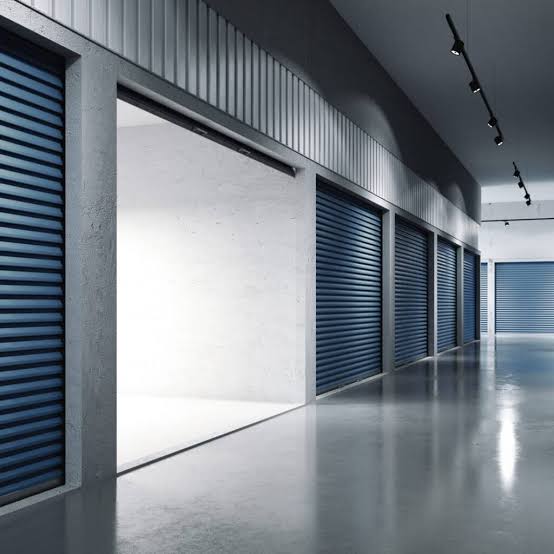
Key drivers of value in this category
What to verify before you commit
Primarily on net operating income, driven by occupancy rate, average rate per square foot, and expense ratio, capitalized at a rate reflecting facility quality and location.
Climate-controlled units command higher rents but cost more to build and operate. Drive-up units are cheaper but rent for less. Most facilities blend both.
This changes regularly and varies by municipality — checking current development applications nearby is essential before assuming stable occupancy going forward.
Management software, gate access security, insurance or tenant protection plan revenue, and unit mix matching local demand.
Historically yes — demand is driven by life events (moves, downsizing, business storage) that occur in every economic cycle, giving the category a defensive quality.
Many private investors target a multi-year hold to allow rate growth and stabilization to play out — worth discussing your specific return goals and timeline directly.
Every transaction in this category has its own rhythm and considerations — let's have a direct conversation about yours.