Home/Commercial & Industrial/Retail Spaces

Retail Spaces

Storefronts and strip-mall units for owner-operators, franchisees, and investors across the Lower Mainland.

Location Is Everything in Retail

Retail success depends heavily on location. Evaluating a retail property means looking at foot traffic patterns, vehicle counts, visibility from the road, parking adequacy, and the surrounding tenant mix — a space that works for one business may not work for another.

The Fraser Valley's rapid population growth is creating new retail demand across established and emerging corridors, from King George Boulevard to Willoughby's newer developments. Understanding where growth is concentrated helps identify the strongest retail opportunities.
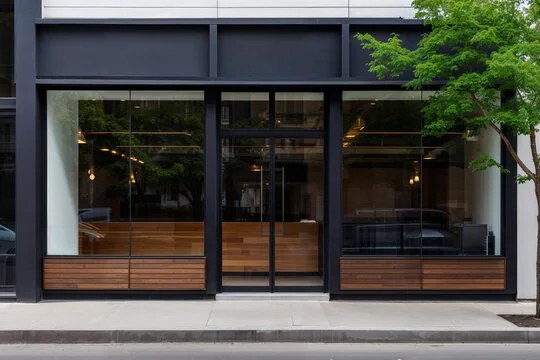
Retail Spaces (sample photo)

How Retail Spaces Are Valued

Key drivers of value in this category

Retail Spaces Due Diligence

What to verify before you commit

Permitted UseConfirming your business matches the zoning and lease's use clause before signing.
Exclusivity ClausesChecking whether a competing tenant could move in next door under the existing lease terms.
CAM Cost HistoryReviewing actual common-area-maintenance costs from recent years, not just landlord estimates.
Parking AllocationVerifying your allotted parking stalls match what your business actually needs.
Maintenance ResponsibilityClarifying who's responsible for HVAC, roof, and structural repairs under the lease.
Traffic & Demographic DataReviewing vehicle counts and neighbourhood demographics relevant to your specific retail category.

Retail Spaces Questions, Answered

Terms commonly run three to five years for a strip-mall unit, with renewal options built in, and longer for standalone or anchor-tenant space.

It's a landlord contribution toward your build-out costs — flooring, fixtures, HVAC modifications, signage — negotiated as part of the lease. Not every landlord offers one.

Leasing offers flexibility and lower upfront capital — the right call for a newer or unproven business. Buying builds equity if you're confident in the location long-term.

In a triple net lease, the tenant pays base rent plus a proportional share of property tax, insurance, and CAM. A gross lease bundles everything into one monthly payment, usually at a higher base rent.

Significantly — corner locations and high vehicle counts command meaningful premiums over interior strip-mall units for comparable square footage.

Permitted use match, exclusivity clauses, CAM cost history, parking allocation, and maintenance responsibility split.

Buying or Selling Retail Spaces?

Every transaction in this category has its own rhythm and considerations — let's have a direct conversation about yours.

Retail Spaces Inquiry

Manan Bhullar REALTOR® | Marketing Specialist

Text Get In Touch