Home/Commercial & Industrial/Gas Stations

Gas Stations

Branded and independent fuel retail sites across the Lower Mainland — a category with real estate, business, and environmental dimensions all in play.

A Category With Real Estate, Business, and Environmental Dimensions

Gas station transactions combine three distinct considerations: the underlying real estate value, the operating business (fuel volume, c-store, and add-on revenue), and environmental risk from decades of underground fuel storage.

Branded stations come with supply agreements and marketing support but restrict fuel supplier flexibility; independents offer more pricing freedom but rely on their own reputation to drive traffic.
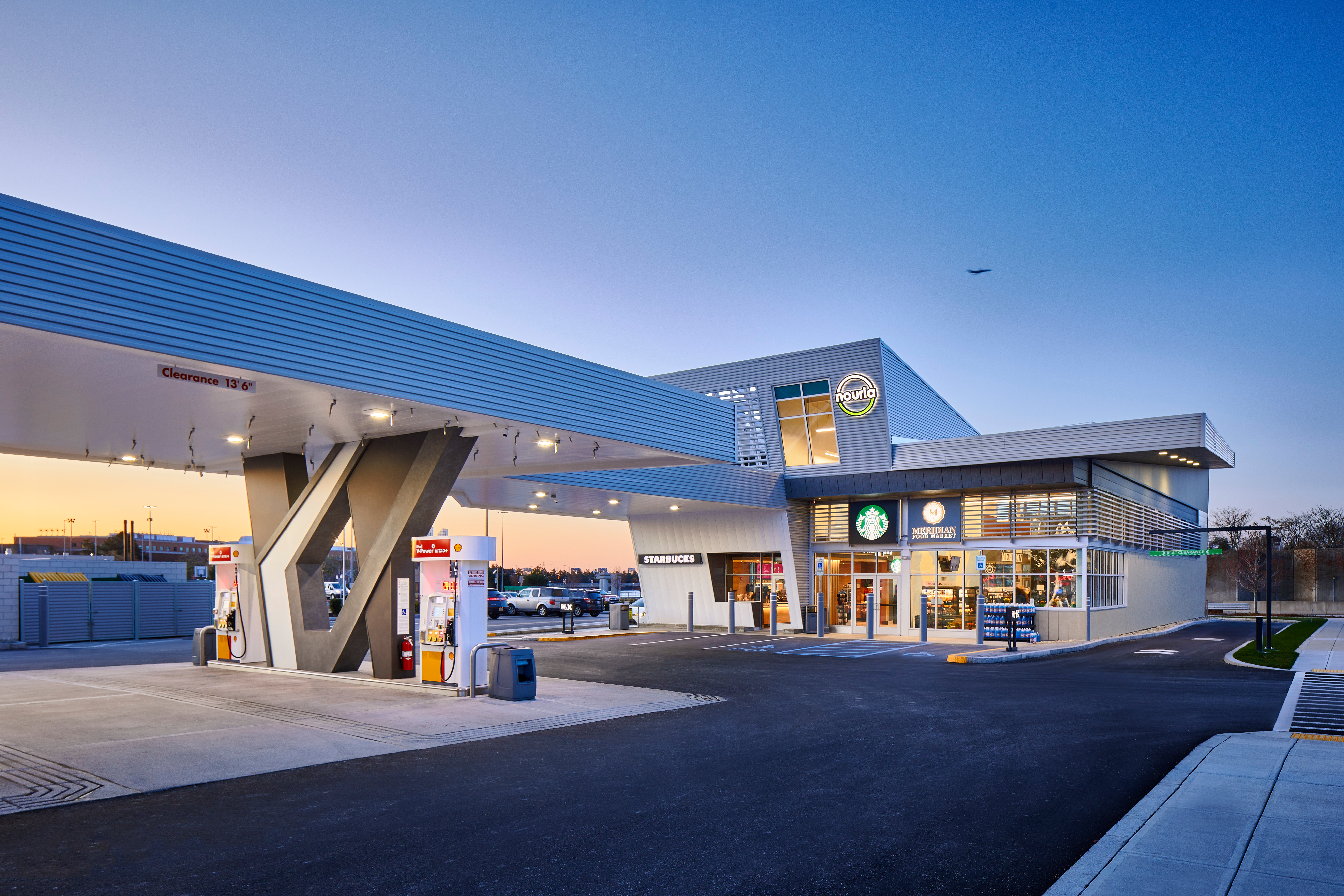
Gas Stations (sample photo)

How Gas Stations Are Valued

Key drivers of value in this category

Gas Stations Due Diligence

What to verify before you commit

Phase I Environmental AssessmentA baseline requirement to check for soil and groundwater contamination from underground storage tanks.
Phase II AssessmentWhere Phase I flags concerns, further soil and groundwater testing before closing.
Supply Agreement TermsUnderstanding exclusivity terms and remaining length on any branded fuel supply agreement.
C-Store FinancialsVerifying convenience store and add-on revenue against POS reports and supplier invoices.
Municipal & Provincial PermitsConfirming fuel retail permits are current and properly transferable.
Tank & Equipment AgeReviewing underground storage tank age, materials, and any required upgrades under current regulations.

Gas Stations Questions, Answered

A Phase I Environmental Site Assessment at minimum, and often a Phase II if concerns are flagged, to check for soil and groundwater contamination from underground storage tanks.

Branded stations come with supply agreements and marketing support but restrict your fuel supplier. Independents have more flexibility on suppliers and pricing but rely on their own reputation.

A combination of fuel volume and margin, convenience store and add-on revenue, the underlying real estate value, and remaining lease term if applicable.

Fuel retailing requires provincial and municipal permits, with separate licensing if the site includes a liquor store or convenience store component.

Lenders typically require a clean Phase I (and Phase II if warranted) before approving financing on a fuel retail site — environmental risk is a real, deal-specific consideration.

It depends on zoning, lot size, and municipal approval — worth confirming feasibility with the municipality before counting on it as an expansion plan.

Buying or Selling Gas Stations?

Every transaction in this category has its own rhythm and considerations — let's have a direct conversation about yours.

Gas Stations Inquiry

Manan Bhullar REALTOR® | Marketing Specialist

Text Get In Touch