Home/Commercial & Industrial/Liquor Stores

Liquor Stores

Licensed retail business sales, including both asset and share transactions, for a category with its own regulatory considerations.

Why Liquor Stores Are a Sought-After Investment in BC

British Columbia operates a controlled liquor distribution system where the number of Liquor Retail Store (LRS) licences is limited by the provincial government, and new licences are rarely issued. That scarcity means existing licensed stores hold real value beyond just their sales figures.

For investors and entrepreneurs, a well-located liquor store in a growing community represents a stable, cash-flowing business, while the limited supply of licences protects existing operators from excessive new competition.
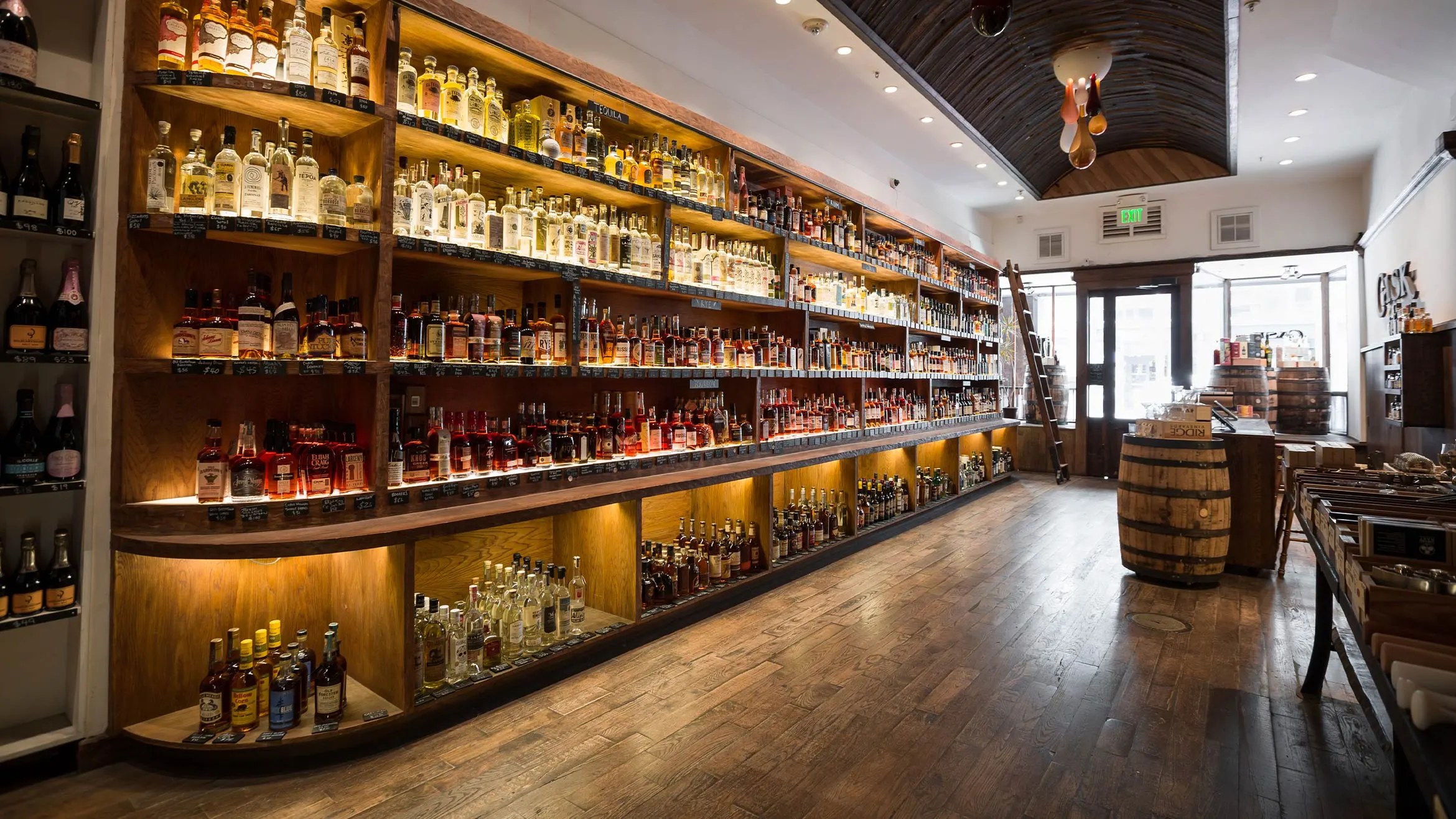
Liquor Stores (sample photo)

How Liquor Stores Are Valued

Key drivers of value in this category

Liquor Stores Due Diligence

What to verify before you commit

Financial ReviewTax returns, POS reports, supplier invoices, and bank statements cross-checked against each other.
Licence VerificationConfirming the LRS licence is in good standing with no outstanding violations before closing.
Lease & Property ReviewReviewing lease terms, renewal options, and rent escalation clauses in detail.
Inventory AssessmentEvaluating current inventory levels, value, and supplier relationships.
Competitive AnalysisAssessing nearby competition and any upcoming developments that could affect future sales.
Asset vs. Share StructureUnderstanding the tax and liability implications of each deal structure before deciding which to pursue.

Liquor Stores Questions, Answered

An asset sale transfers the business's assets — inventory, fixtures, the lease, and the licence — to a new entity. A share sale transfers ownership of the existing corporate entity itself, including its licence.

No — licence transfers go through a provincial approval process through the BC Liquor and Cannabis Regulation Branch, which can take weeks to months.

BC operates a controlled liquor distribution system where LRS licences are limited by provincial policy, and new licences are rarely issued — that scarcity gives the licence real intrinsic value.

Primarily on revenue and profitability trends over the past three to five years, plus location, lease terms, and the licence value itself.

Tax returns, POS reports, supplier invoices, and bank statements, cross-checked against each other — discrepancies are the most common red flag.

Yes, though it's its own niche — lenders evaluate both the real estate and the business's cash flow, similar to other licensed-business transactions.

Buying or Selling Liquor Stores?

Every transaction in this category has its own rhythm and considerations — let's have a direct conversation about yours.

Liquor Stores Inquiry

Manan Bhullar REALTOR® | Marketing Specialist

Text Get In Touch